
Diabetic Retinopathy: Why Diabetes Can Affect Your Eyes
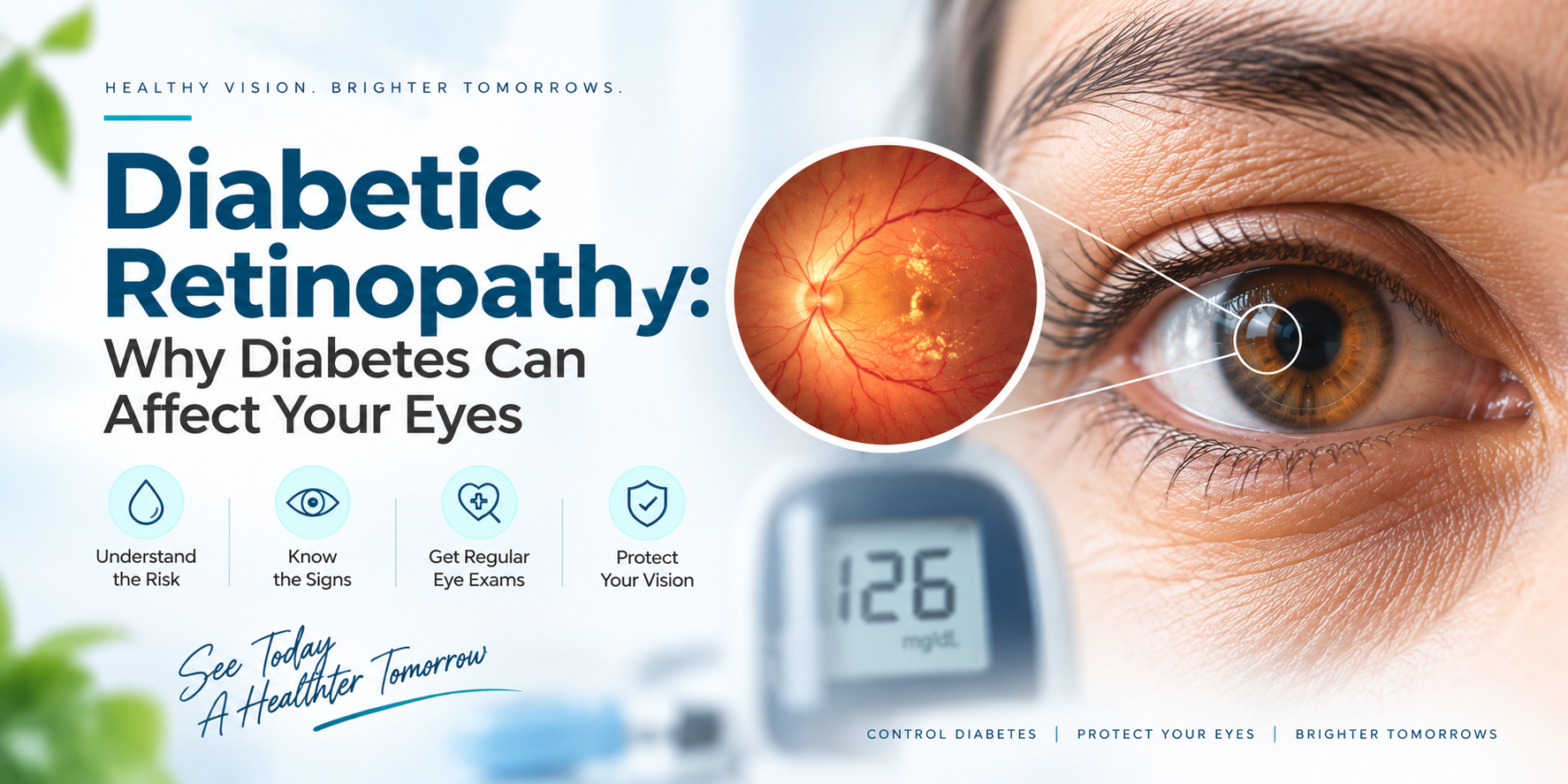
Why diabetes can affect vision
Diabetes affects blood vessels throughout the body, including the tiny blood vessels that supply the retina. The retina is the light-sensitive tissue at the back of the eye that helps us see.
Over time, persistently high blood sugar can damage these vessels. This can lead to diabetic retinopathy and other diabetes-related eye problems. One of the biggest concerns is that diabetic retinopathy may develop without obvious symptoms in the early stages. A person can feel that their eyesight is fine while changes are already occurring in the retina.
What is diabetic retinopathy?
Diabetic retinopathy is an eye condition caused by damage to the blood vessels of the retina in people with diabetes.
In earlier stages, damaged blood vessels may leak fluid or develop other abnormalities. As the condition becomes more advanced, abnormal blood vessels can grow and bleed, potentially causing more serious vision problems.
Diabetes can also increase the risk of other eye conditions, including cataract and certain forms of glaucoma.
What are the symptoms?
Early diabetic retinopathy often causes no symptoms. As the condition progresses, a person may experience blurred vision, difficulty reading, changes in vision or spots and streaks in the field of view. A sudden increase in floaters, flashes, a dark curtain or sudden loss of vision should be treated as an urgent eye problem and assessed promptly. Do not wait for symptoms to appear before having diabetic eye examinations.
Why is a diabetic eye checkup important?
Because diabetic retinopathy can be present before vision changes become noticeable, regular eye examinations are an important part of diabetes care. A comprehensive eye examination can allow the ophthalmologist to assess the retina and identify changes that may require closer monitoring or treatment. The recommended frequency depends on the type of diabetes, duration, retinal findings, pregnancy status and other clinical factors. People with diabetes should discuss their individual screening schedule with their healthcare team.
What happens during a diabetic eye examination?
The examination may include vision testing and a detailed examination of the retina. Pupil dilation may be recommended so that the ophthalmologist can see the retina more clearly. Depending on the findings, additional imaging or tests may be advised.
The exact examination varies according to the patient’s medical history and the condition of the eyes.
Can diabetic retinopathy be treated?
Yes. Treatment depends on the stage and type of retinal disease. Some people with early disease may need observation and closer follow-up. When treatment is necessary, options can include injections into the eye, laser treatment or surgery in selected advanced cases.
Treatment can help prevent further vision loss, but it is important to identify the disease as early as possible and continue regular monitoring.
Diabetes control and eye health
Managing diabetes is an important part of reducing the risk of diabetic eye disease. Blood sugar management, blood pressure control and management of cholesterol where appropriate can all contribute to overall health.
Eye care should not replace diabetes treatment, and diabetes management should not replace regular eye examinations. The two work together.
Who should consider a diabetic eye examination?
People diagnosed with type 1 diabetes People diagnosed with type 2 diabetes. People with diabetes who notice new changes in vision; people with diabetes who have been advised to undergo retinal screening Pregnant people with diabetes, who should discuss the timing and frequency of eye examinations with their doctor
Diabetic eye checkup in Thergaon and Wakad
Patients looking for a diabetic eye checkup in Thergaon, Wakad, Tathawade, Chinchwad or nearby PCMC areas can consult an ophthalmologist for a retinal assessment and advice based on their diabetes history.
Dr. Sandeep Walmik Darunde, M.S. (Netraroga), is a Consultant Ophthalmologist associated with Saksham Hospital in Thergaon and several hospitals in Pune. His clinical experience includes diabetic retinopathy screening and ophthalmic evaluation.
Frequently Asked Questions
Can diabetic retinopathy occur without symptoms?
Yes. Early diabetic retinopathy commonly has no noticeable symptoms.
How often should a person with diabetes have an eye examination?
The appropriate interval varies. Many people with diabetes need at least regular annual comprehensive eye examinations, but the treating doctor may recommend a different schedule based on individual risk and retinal findings.
Can diabetic retinopathy be reversed?
Treatment can slow or prevent further vision loss and may improve some retinal changes in selected cases, but established damage is not always reversible.
Does good blood sugar control eliminate the need for eye screening?
No. Good diabetes management lowers risk but does not remove the need for recommended eye examinations.
Can diabetes cause cataracts?
Diabetes is associated with an increased risk of cataract and may contribute to cataracts developing at a younger age.
When should a person with diabetes seek urgent eye care?
Sudden vision loss, a sudden increase in floaters, flashes of light or a curtain-like shadow should be assessed urgently.
Final Takeaway
Diabetic eye disease can develop quietly, which is why waiting for blurred vision is not a good screening strategy.
If you have diabetes, make eye examinations part of your regular healthcare routine. Early identification of retinal changes gives your ophthalmologist a better opportunity to monitor the condition and provide treatment when needed.